



The Review
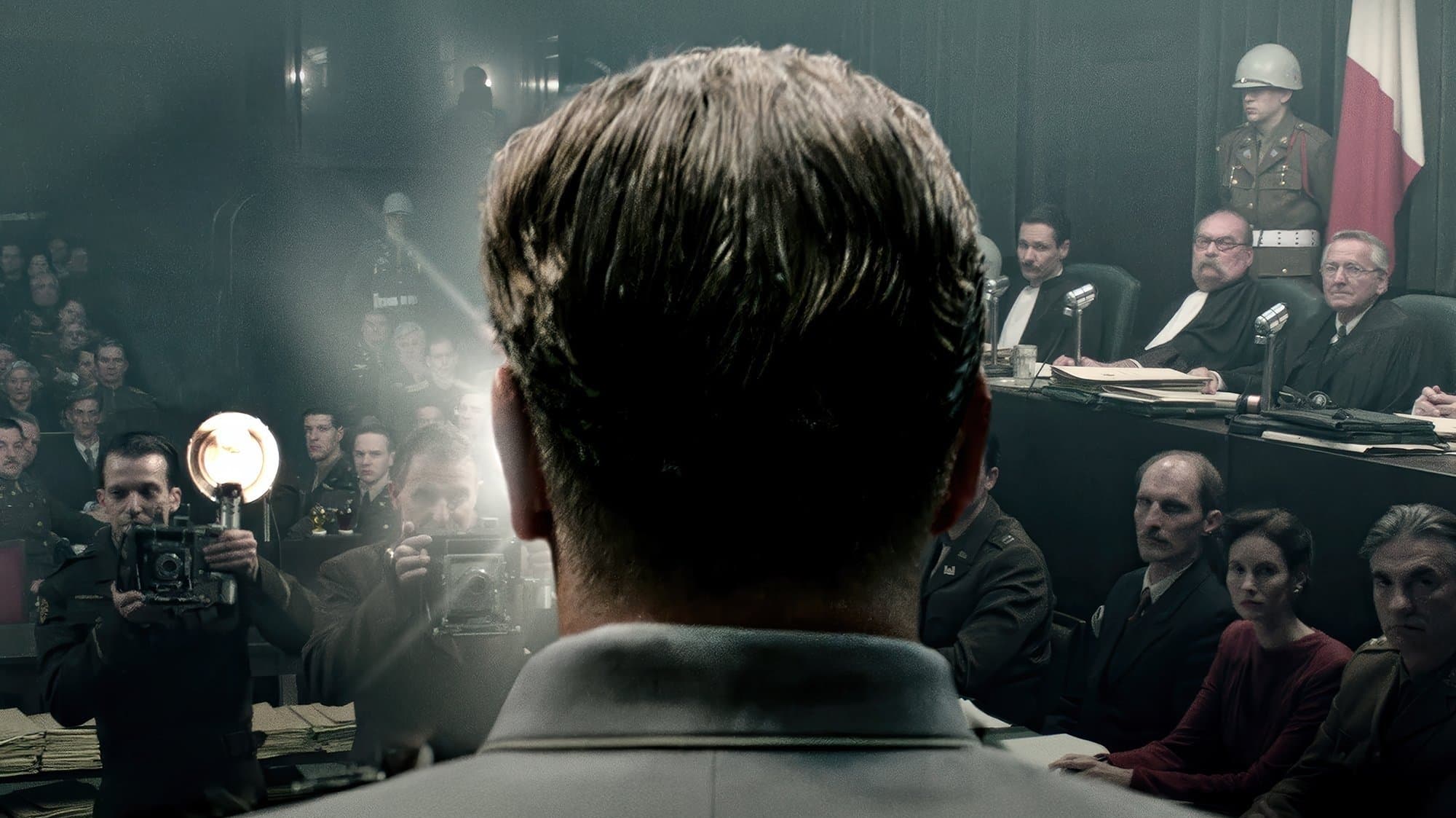
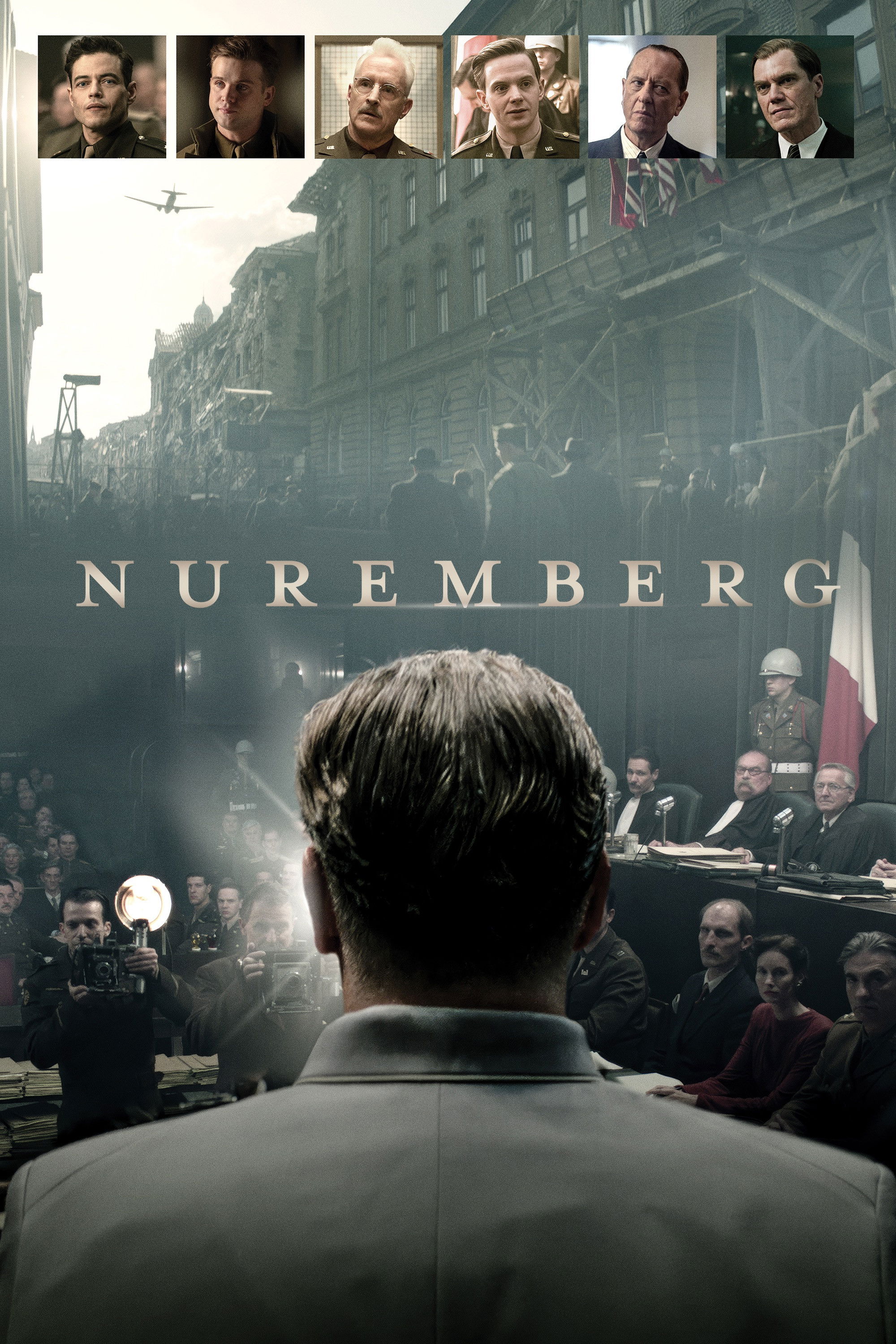
Nuremberg examines the attempt to turn moral outrage into structured justice. Judge Robert H. Jackson (Michael Shannon) prosecutes the case in which Douglas Kelley (Rami Malek) tries to understand the mind of Hermann Göring (Russel Crowe).
That dynamic is also where the film is at its strongest. The interplay between Malek and Crowe works really well, and more than once you start to wonder who is really examining whom. As the intimacy between the two men grows, so does the tension, and that undercurrent runs steadily through the entire film.
Malek delivers a convincing performance as the psychiatrist, carefully showing the slow rise of frustration as he appears to lose his grip on Göring. You can sense the control slipping, almost imperceptibly at first. Crowe, on the other hand, is a more unusual piece of casting. He portrays Göring as a rather clumsy and bloated figure, and his inconsistent German accent does little to strengthen the illusion. Where Crowe truly succeeds is in the quieter moments, when Göring comes across as calm, intelligent, and disturbingly calculating.
Unsurprisingly, most of the film takes place within prison walls and the courtroom. Other locations, such as Göring’s residence, appear only briefly and feel more like exceptions than expansions.
The ending is particularly strong, highlighting Göring’s historically known suicide before sentencing and the psychiatrist’s growing mental collapse as his plea to seriously examine the Nazi mindset falls largely on deaf ears.
Nuremberg remains an impressive film, yet it raises an uncomfortable question: is the impact driven primarily by the power of its historical subject matter, or by the film’s own execution?